The student loneliness crisis: understanding and addressing social isolation on campus


Key takeaways
- The student loneliness crisis is affecting student wellbeing, academic performance, retention, and mental health outcomes across educational settings.
- Loneliness on campus is driven by overlapping social, digital, cultural, and institutional factors that can make meaningful connections harder to build.
- Schools can support students through peer programs, mental health services, digital peer support, school mental health initiatives, and community-focused campus design.
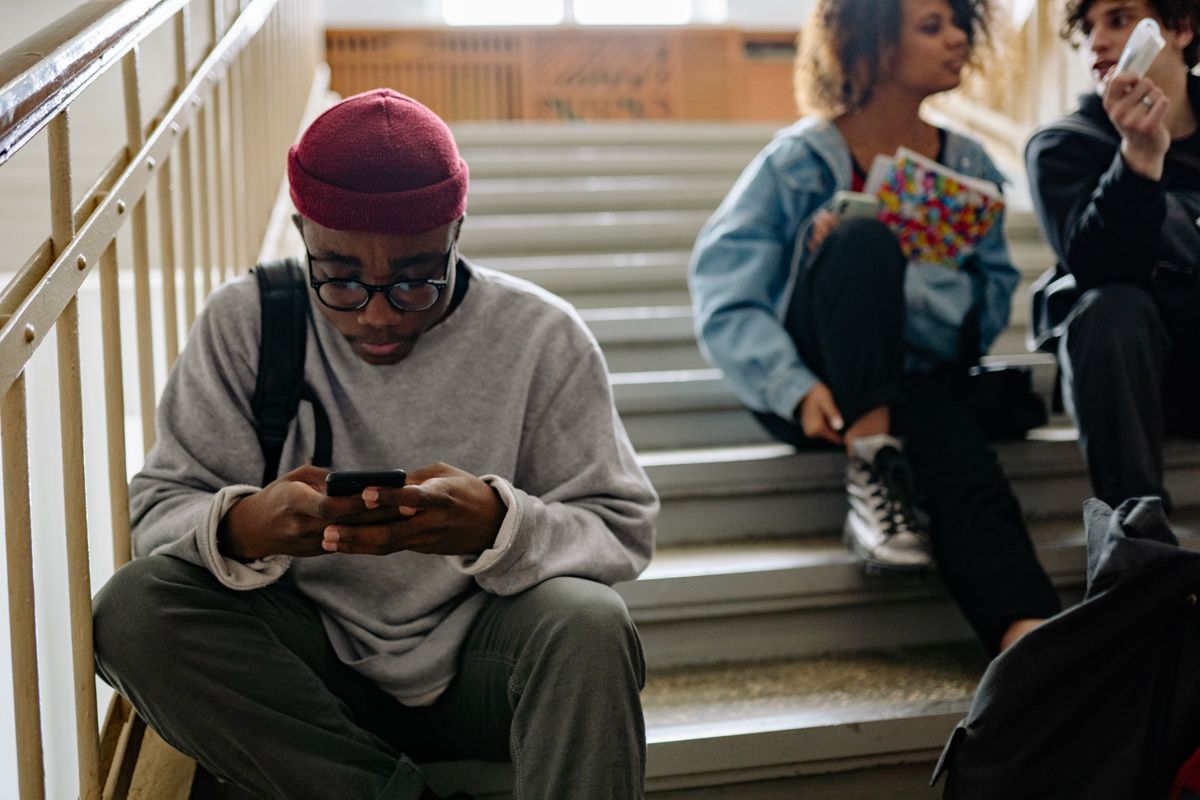
The student loneliness crisis is unfolding across crowded campuses, busy hallways, residence halls, and online classrooms. Students are more digitally connected than ever, yet many still feel emotionally disconnected from the people around them.
The US Surgeon General’s 2023 Advisory on Social Connection described loneliness and social isolation as widespread health risks that affect people across age groups and communities. For schools, colleges, and universities, the student loneliness crisis is not just a social issue. It directly affects retention, learning outcomes, student satisfaction, and campus mental health infrastructure.
Understanding what drives loneliness and how institutions can respond may help schools create environments where students feel supported, connected, and able to thrive.
Defining the student loneliness crisis
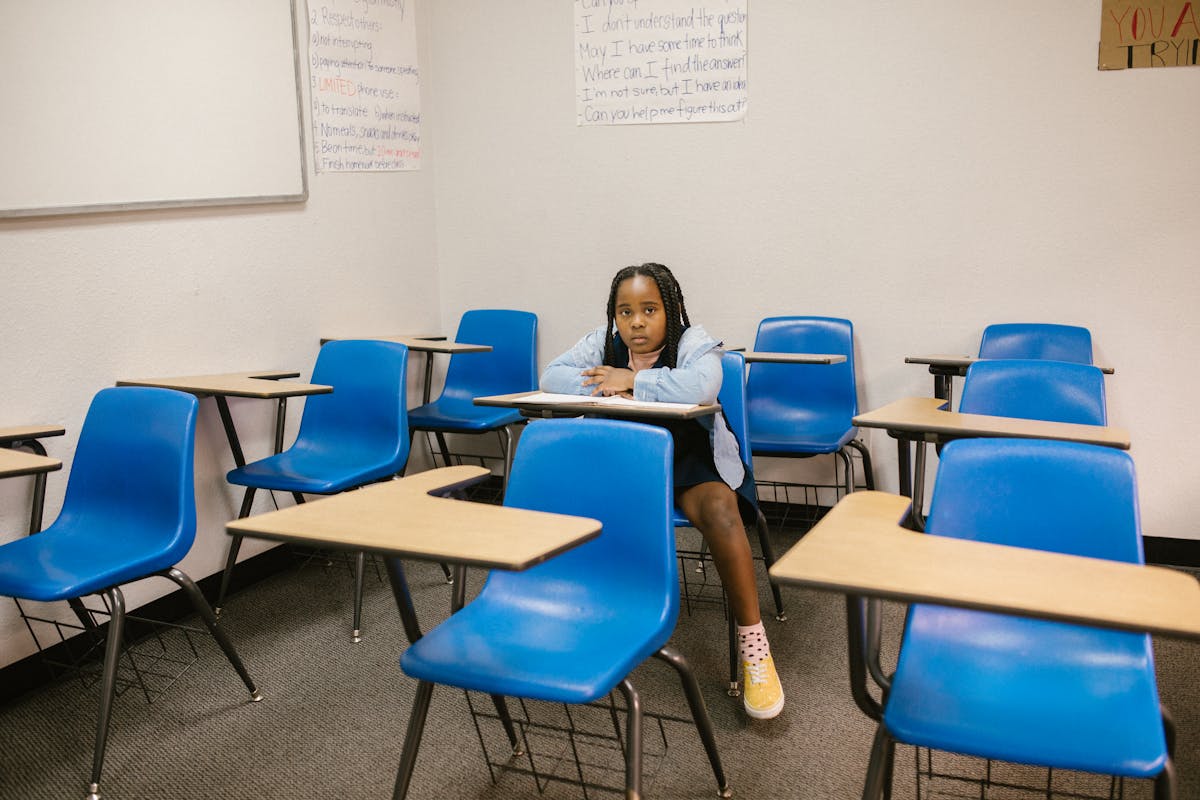
The student loneliness crisis refers to rising levels of social disconnection among middle school, high school, college, and graduate students despite increased opportunities for digital communication and social interaction. Loneliness is different from simply being alone. You can spend time by yourself and still feel emotionally connected to others. On the other hand, you can sit in a crowded lecture hall and still feel isolated.
Loneliness can be defined as the distress that happens when there's a gap between the social connection you want and the connection you actually experience. And this loneliness is subjective. Two students can have similar schedules, social opportunities, or campus involvement while experiencing connection very differently.
Transient loneliness during life transitions is common. For many students, those feelings improve as routines and relationships develop. Chronic loneliness is different because it persists over time and begins affecting mental health, daily functioning, and academic engagement.
“Student loneliness becomes a mental health concern when feelings of isolation persist over time and begin interfering with a student’s emotional well-being, daily functioning, or ability to engage academically and socially. While temporary loneliness is common during transitions like starting college or moving away from home, chronic disconnection can increase the risk of anxiety, depression, low self-esteem, and social withdrawal. Intervention may be needed when students begin avoiding relationships, losing interest in activities, struggling academically, or expressing hopelessness about belonging. Early support, peer connection, and accessible mental health resources can help prevent loneliness from becoming more severe or long-lasting.”
- Ryan Kelly, LCSW
Prevalence across educational settings
Student loneliness appears across nearly every educational setting, although prevalence rates vary depending on how loneliness is measured. The Healthy Minds Study National Report 2023-2024 surveyed more than 104,000 students across 196 colleges and universities and found high rates of students reporting feelings of isolation, lacking companionship, or feeling left out.
Researchers note that loneliness measurement is complex because results can change based on survey wording, timing, and scoring methods.“Regardless of measurement differences, research consistently shows that student loneliness is widespread.” Academic pressure, financial stress, identity development, and social comparison can all make connections feel harder.
Loneliness can also look different depending on a student’s stage of education:
- High school students may struggle with peer pressure, identity formation, or exclusion.
- Undergraduate students often face adjustment stress during transitions into campus life.
- Graduate students may experience isolation tied to research work, age differences, or demanding schedules.
- Online and commuter students may have fewer opportunities for spontaneous connections.
Root causes behind campus social isolation
There's rarely one single cause behind loneliness. Instead, students may experience multiple pressures at the same time, including academic stress, social comparison, financial concerns, disrupted routines, and reduced opportunities for connection.
1. Digital habits and social media paradox
Social media gives students constant visibility into other people’s friendships, achievements, and social lives. This comparison can make students feel excluded or disconnected, even when what they see online is incomplete or curated.
Technology can both strengthen and weaken social connections depending on how it's used. Digital communication may help students maintain relationships, especially during transitions or distance learning. At the same time, excessive passive scrolling or comparison-driven social media use may contribute to isolation and emotional distress. Students also increasingly rely on digital-first communication, which can make face-to-face interaction feel more intimidating or emotionally risky over time.
2. Pandemic aftermath and social skill atrophy
Students who spent formative years in isolation may have missed experiences that help build confidence in communication, relationship-building, conflict resolution, and group participation. Even after returning to in-person learning, some students continue to feel disconnected from campus communities.
The National Center for Education reported that schools across the U.S. observed increased concerns about student mental health, social development, and relationship-building following the COVID-19 pandemic. For some students, virtual interaction became the default form of communication. Rebuilding comfort with in-person engagement may take time.
3. Campus culture and institutional design
Campus environments are increasing loneliness risk in unique ways. Students often move away from home, leave established support systems, and enter environments where building relationships takes time. Physical layout, scheduling density, and commuter-versus-residential dynamics also shape whether organic connection is even possible.
A campus designed around high-traffic corridors and flexible gathering spaces creates different social conditions than one built around isolated lecture halls and parking structures. Academic cultures that prioritize individual performance over collaborative learning add another layer. Students can spend years on a campus without ever building the peer relationships that make that campus feel like a community.
How does loneliness affect student mental health?
Student stress and loneliness may increase the risk of anxiety, depression, emotional distress, and social withdrawal. At the same time, existing mental health conditions can make it harder for students to maintain relationships or seek connection.
Depression and anxiety correlations
A Centers for Disease Control and Prevention (CDC) analysis found that adults experiencing loneliness and limited social support reported higher levels of depression history and frequent mental distress. This percentage was especially higher in bisexual and transgender individuals.
Social connection often provides emotional support, perspective, reassurance, and belonging. When students feel disconnected, they may lose access to many of those protective experiences. Loneliness may also increase self-criticism and social anxiety. Students who feel isolated sometimes begin assuming they do not belong socially or academically, which can further increase withdrawal.
Academic performance and retention impacts
Students experiencing emotional distress may struggle to participate in class discussions, complete assignments, attend campus activities, or maintain routines. Over time, this disengagement can affect grades, persistence, and retention.
Research from the Healthy Minds Network has consistently linked student mental health challenges to reduced academic functioning and campus engagement. For schools or institutions focused on mental health in college students, addressing the student loneliness crisis is part of supporting student success and retention outcomes.
Which student populations face the highest loneliness risk?
While any student can experience isolation, certain groups face structural and systemic barriers to connection that go beyond individual social confidence. Here's a quick overview:
First-generation and transfer students
First-generation students may arrive on campus without family guidance on navigating college systems, social norms, or institutional expectations. This uncertainty can make it harder to feel confident participating in campus life. Students may feel pressure to adapt quickly while also balancing family responsibilities or financial stress.
Transfer students face different challenges. They often enter established campus communities after friendships and routines have already formed. Compressed timelines can make social integration feel more difficult.
International and minority students
International students may face language differences, cultural adjustment stress, homesickness, and unfamiliar academic systems while trying to build new relationships.
Students from underrepresented backgrounds may also experience belonging uncertainty, social exclusion, or the emotional strain of code-switching across different environments. Campus diversity and inclusion efforts can significantly affect whether students feel emotionally safe and represented within the broader campus community.
Graduate students and non-traditional learners
Graduate students often experience isolation because research work can be highly independent and time-intensive. Many graduate students are older than traditional undergraduates and may balance caregiving responsibilities, work obligations, or long-term partnerships alongside academics. These differences can create social separation from the broader campus culture. Non-traditional learners, part-time students, and online students may also have fewer opportunities for informal social interaction, as they spend less time physically on campus.
Institutional responsibilities in addressing student loneliness
Addressing loneliness cannot depend solely on individual students making more effort to socialize. Institutional structures also shape whether the connection feels accessible, inclusive, and sustainable. The US Surgeon General’s Advisory encourages educational institutions to strengthen school connectedness, peer support, mentoring, and community-building efforts as part of broader public health strategies.
“Digital peer support works best when it complements real-world connection, the goal is to not replace real world connection. Schools can use moderated online communities, peer mentorship apps, and virtual check-ins as low-pressure entry points for students who may feel isolated or anxious about socializing in person. The key is designing these tools to intentionally bridge students toward offline interaction through group activities, clubs, counseling referrals, and face-to-face peer engagement. When digital support is integrated with a broader culture of belonging, it can reduce loneliness while strengthening authentic social connection rather than substituting for it.”
- Ryan Kelly, LCSW
Mental health service expansion
Counseling centers and campus mental health programs are often the first places students turn to when loneliness begins affecting their emotional well-being. Schools can strengthen support systems by:
- Expanding counseling access
- Screening for loneliness during mental health evaluations
- Offering connection-focused group therapy
- Increasing virtual care options
- Providing culturally responsive support services
Many campuses continue facing provider shortages and rising demand for mental health services. Virtual care and message-based therapy can help schools expand access without requiring students to attend in-person appointments during limited clinic hours.
Peer support program models
Peer support programs can help students feel understood by people with shared experiences. Schools may use:
- Peer mentorship programs
- Student ambassador programs
- Buddy systems for first-year students
- Group support communities
- Digital peer support/schools' mental health platforms
Digital peer support schools' mental health initiatives may help reduce barriers for students who feel nervous seeking traditional mental health support. Structured digital communities can provide connection, normalization, and resource-sharing while encouraging students to build offline relationships as well. Training and supervision remain important, as peer supporters should understand boundaries, crisis response procedures, and referral pathways.
Campus design for connection
Physical spaces influence how often students naturally interact. Campuses can support connection through:
- Shared study spaces
- Collaborative learning environments
- Student lounges and gathering spaces
- Orientation programs focused on student belonging
- Cross-department community events
- Flexible schedules that allow social participation
Repeated low-pressure interaction is often one of the strongest foundations for friendship formation.
Evidence-based intervention strategies for students
Students can take steps toward reducing loneliness while recognizing that systemic barriers also affect connection. Building relationships often takes time, repetition, vulnerability, and patience. Feeling lonely does not mean you are failing socially.
Quality over quantity in relationships
A few meaningful relationships often provide more emotional support than a large social network made up of surface-level interactions. Students sometimes assume everyone else forms friendships quickly, but strong relationships usually develop gradually through repeated shared experiences. Focusing on consistency, trust, and mutual support may feel more sustainable than trying to maximize social activity.
Vulnerability and authentic engagement
Connection often becomes stronger when students feel comfortable sharing honest experiences instead of performing constant confidence or social success. Opening up can feel uncomfortable, especially for students who fear rejection or judgment. Still, authentic conversations often create the emotional closeness students are looking for. Not every social interaction will become a friendship, and rejection does not define your worth or belonging.
Digital boundaries and intentional online engagement
Technology can support connection when used intentionally. Students may benefit from asking themselves:
- Does this interaction make me feel more connected afterward?
- Am I using digital communication to maintain relationships or avoid in-person interaction?
- Do my online habits increase comparison or emotional exhaustion?
The goal is not to eliminate technology. Instead, students can use digital communication as a bridge toward meaningful connection rather than a replacement for it.
Leveraging loneliness awareness month for campus initiatives
Loneliness awareness month can help schools normalize conversations about social disconnection and reduce stigma around seeking support. Awareness initiatives work best when they connect students to ongoing campus resources rather than functioning as one-time events. Loneliness awareness month also allows schools to reinforce that loneliness is common, understandable, and addressable, rather than something students should hide.
Programming ideas and campus events
Schools can use loneliness awareness month to launch initiatives that support long-term community building. Examples include:
- Peer-led discussion events about belonging and connection
- Community-building workshops during orientation periods
- Student organization partnerships focused on inclusion
- Wellness campaigns tied to digital peer support schools' mental health platforms
- Small-group campus activities designed for low-pressure interaction
- Student feedback surveys that guide future belonging initiatives
Programs tend to be more effective when they focus on sustained connection rather than attendance numbers alone.
Measuring progress and long-term solutions
Addressing the student loneliness crisis requires long-term measurement and institutional investment rather than temporary awareness efforts alone.
Campus climate assessment tools
Schools often use surveys and climate assessments to measure belonging, isolation, and student well-being. The Healthy Minds Study offers one example of a large-scale assessment framework that measures loneliness, mental health outcomes, and student functioning across institutions. Effective assessment strategies typically include:
- Consistent survey timing
- Anonymous student feedback
- Demographic analysis
- Longitudinal trend tracking
- Clear action plans tied to findings
Single surveys rarely capture the full picture. Long-term patterns often provide more meaningful insight into student experience.
Building sustainable connection infrastructure
Long-term progress requires schools to treat belonging and connection as ongoing institutional priorities.
Reducing loneliness requires sustained investment in campus culture, mental health resources, inclusion efforts, and student engagement infrastructure.
Get student mental health support with Talkspace
Supporting students through the loneliness crisis requires mental health care that fits into real academic schedules and campus realities, not the other way around. Barriers like limited availability, transportation challenges, and the stigma of walking into a counseling center keep too many students from getting the help they need.
Talkspace for education addresses this directly by connecting students and teachers with licensed therapists through messaging, live video, and self-guided programs, with coverage across all 50 states and the flexibility to fit care around classes, commitments, and everything in between. Book a demo to see how your institution can build a stronger, more accessible mental health support system for every student and staff member on campus.
Frequently asked questions (FAQs)
What is the student loneliness crisis, and why is it increasing?
The student loneliness crisis refers to the rising number of high school and college students experiencing persistent social isolation and feelings of disconnection. It is increasing due to factors like heavy academic pressures, digital and social media reliance, transitions to new environments, and reduced opportunities for meaningful face-to-face interactions, which make it harder for students to form strong social bonds.
How can schools address the student loneliness crisis effectively?
Schools can address the student loneliness crisis effectively by creating structured opportunities for social connection, such as clubs, mentorship programs, and peer-support initiatives. They should also foster an inclusive culture, provide access to counseling and mental health resources, and train staff to recognize and support students struggling with isolation.
Is loneliness common among college and high school students?
Yes, loneliness is common among both college and high school students. Studies show that many students experience social isolation due to academic pressure, transitioning to new environments, or challenges in forming meaningful connections, making it a widespread concern for adolescent and young adult mental health.
What are the mental health effects of student loneliness?
Student loneliness can have significant mental health effects, including increased risk of depression, anxiety, and low self-esteem. It can also lead to sleep disturbances, decreased academic performance, and social withdrawal, making it harder for students to form connections and cope with stress.
How can students reduce feelings of loneliness on campus?
Students can reduce feelings of loneliness on campus by actively engaging in social and extracurricular activities, such as clubs, sports, or interest-based groups. Building meaningful connections through peer mentorship, study groups, or volunteering, and seeking support from counselors or campus mental health resources, also helps foster a sense of belonging.
Sources
- U.S. Department of Health and Human Services. Our epidemic of loneliness and isolation: the U.S. Surgeon General’s advisory on the healing effects of social connection and community. https://www.hhs.gov/sites/default/files/surgeon-general-social-connection-advisory.pdf?os=win. 2023 May;1-82. Accessed May 18, 2026.
- Healthy Minds Network. The healthy minds study national report 2023-2024 data report. https://healthymindsnetwork.org/wp-content/uploads/2024/09/HMS_national_report_090924.pdf. 2024 Sep 9. Accessed May 18, 2026.
- National Center for Education Statistics. Mental health and well-being of college students. https://nces.ed.gov/programs/coe/indicator/a23. 2024. Accessed May 18, 2026.
- Bruss KV, Seth P, Zhao G. Loneliness, lack of social and emotional support, and mental health issues - United States, 2022. MMWR Morb Mortal Wkly Rep. https://pmc.ncbi.nlm.nih.gov/articles/PMC11199020/. 2024 Jun 20;73(24):539-545. Accessed May 18, 2026.